
The European Parliament Condemns the Systematic Persecution of Christians in Pakistan...
The EU Condemns the Systematic Persecution of Christians in Pakistan
...and Reminds Islamabad That Its Preferential Trade Status Depends on Respect for Fundamental Rights.
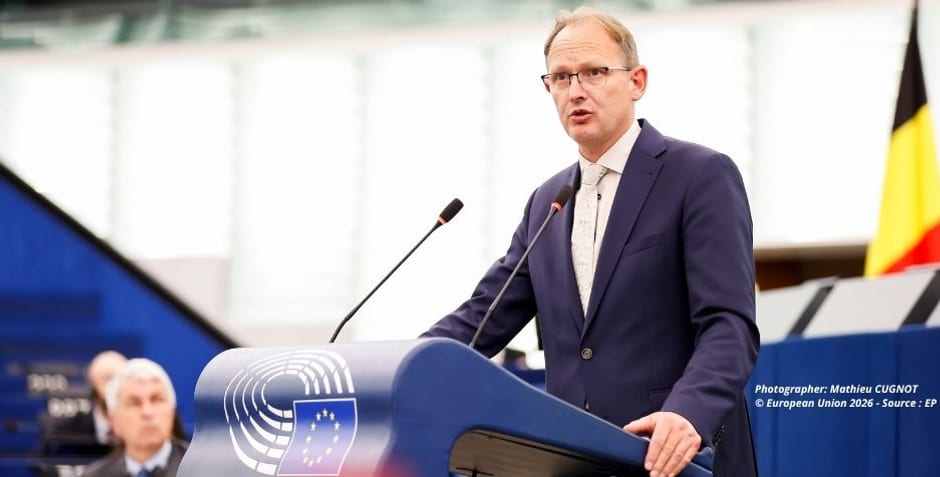
On 9 July 2026, the European Parliament adopted a resolution addressing the abduction, forced conversion to Islam, and child marriage of Maria Shahbaz, a twelve-year-old Pakistani Christian girl. Members of the European Parliament condemned the persecution of religious minorities, called for the repeal of Pakistan’s blasphemy laws against Islam, and stressed that the country’s preferential trade benefits depend on its respect for fundamental rights.
Maria Shahbaz was twelve years old when she was abducted in Lahore in July 2025. According to her family, she was subsequently forced to convert to Islam and marry a thirty-year-old Muslim man. In February 2026, Pakistan's Federal Constitutional Court upheld the decisions of the lower courts, maintained the validity of the marriage, and recognized the alleged husband as Maria's legal guardian.
In its resolution, the European Parliament now calls on the Pakistani authorities to ensure Maria Shahbaz's protection, guarantee her access to independent legal and psychological assistance, and conduct a full and impartial review of her case in accordance with the best interests of the child.
The Parliament also stresses that Maria Shahbaz's case is far from isolated. Abductions, forced conversions, and child marriages regularly affect Christian and Hindu girls in Pakistan. According to the United Nations, nearly three-quarters of the victims belong to the Hindu community and one-quarter are Christians.
A Contradiction at the Heart of Pakistani Law
At first glance, the Maria Shahbaz case appears to pit Pakistan's civil law, which criminalizes child marriage, against Islamic law, which permits marriage after puberty. Yet the judgment of the Federal Constitutional Court reveals a deeper legal problem. While upholding the marriage, the Court also reaffirmed that the Child Marriage Restraint Act does not prevent criminal proceedings against the husband or against those who celebrated or facilitated the marriage.
For the ECLJ, the priority is therefore to enforce the law already in force. Criminal proceedings for child marriage, abduction, document forgery, or the rape of a minor should continue regardless of any dispute concerning custody, the validity of the marriage, or the alleged consent of the victim. Under Pakistani criminal law, the consent of a minor is already legally irrelevant in cases involving sexual offences against children. Several Pakistani courts, as well as the Federal Shariat Court, have likewise recognized that establishing a statutory minimum age for marriage remains compatible with Islamic law.
The European Parliament Links the Maria Shahbaz Case to the Systematic Persecution of Christians
The resolution extends far beyond the individual case of Maria Shahbaz. Members of the European Parliament condemn discrimination, violence, and intimidation targeting Christians in Pakistan. They call on the Pakistani government to repeal the country's blasphemy laws against Islam and to end the persecution of religious minorities. These recommendations are consistent with those that the ECLJ regularly submits to both the European Parliament and the United Nations Human Rights Council.
Article 295-C of Pakistan's Penal Code still provides for the death penalty for blasphemy against Islam. The authorities recorded a record 344 new blasphemy cases in 2024. More than one hundred people have been lynched following mere allegations of blasphemy between 1994 and 2024, including twenty-six Christians. Around forty individuals currently remain on death row.
In a written statement submitted to the United Nations Human Rights Council on 23 May 2026, the ECLJ warned of these death sentences and the serious violations of due process surrounding such cases. Through its partner law office in Pakistan, the ECLJ also supports the legal defence of five Christians currently facing blasphemy charges. Four of them are presently on death row.
The European Parliament Makes Respect for Fundamental Rights a Condition of Trade Relations with Pakistan
The European Parliament calls on the European Union and its Member States to systematically raise the issues of forced conversions, child marriages, and the persecution of religious minorities in their relations with Islamabad. Members of the European Parliament also recall that Pakistan's continued participation in the GSP+ preferential trade scheme depends on its effective compliance with its international human rights obligations. Failing meaningful progress, this preferential status could be withdrawn.
The ECLJ calls on Pakistan to provide effective protection for Christians and other religious minorities against persecution. Protecting vulnerable girls does not necessarily require new legislation. If the marriage of a minor already constitutes a criminal offence, those responsible must be prosecuted. Effective enforcement of the Child Marriage Restraint Act, together with the relevant provisions of Pakistan's Penal Code, would provide immediate protection for girls subjected to forced marriages and help prevent further abuses.






 China: Pastor Cao Must Come HomeBy ECLJ
 Tunisia: Christians Facing Kais Saied’s Identity-Driven ShiftBy Constance Avenel
 Syria: Christians left Behind?By Thibault van den Bossche
 Anti-Religious Hatred: France FailsBy Constance Avenel