ECLJ Reports
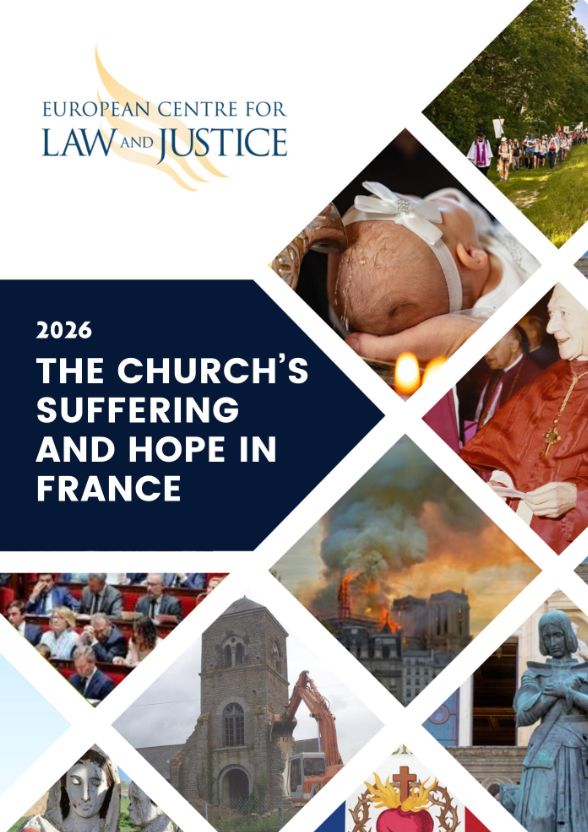
France is no longer experiencing a mere decline in religious practice, but a veritable collapse of Catholicism, the tipping point of which occurred in the mid-1960s. This shift affects not only individual belief: it strikes at the very cultural and anthropological foundations of French society. France retains the outward forms of a Christian civilisation (churches, festivals, architectural landmarks), but has gradually been stripped of its spiritual core – its faith. However Catholics retain hope, sustained by faith, hope and charity, and enriched by the immense heritage of Christendom. Although they are in the minority, their religion keeps them standing firm in a society that is crumbling, and this is enough to enable them to retain confidence in the future.
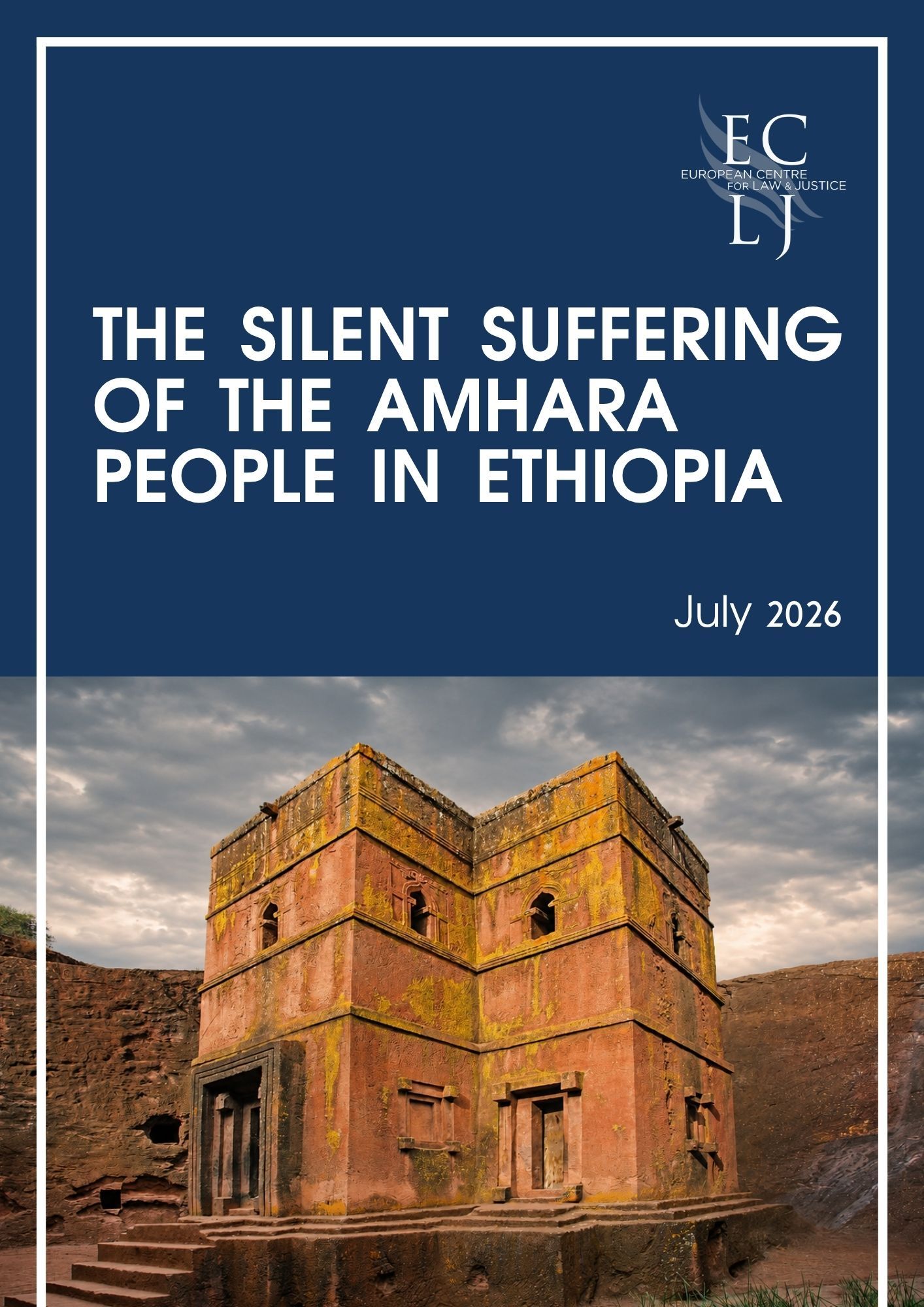
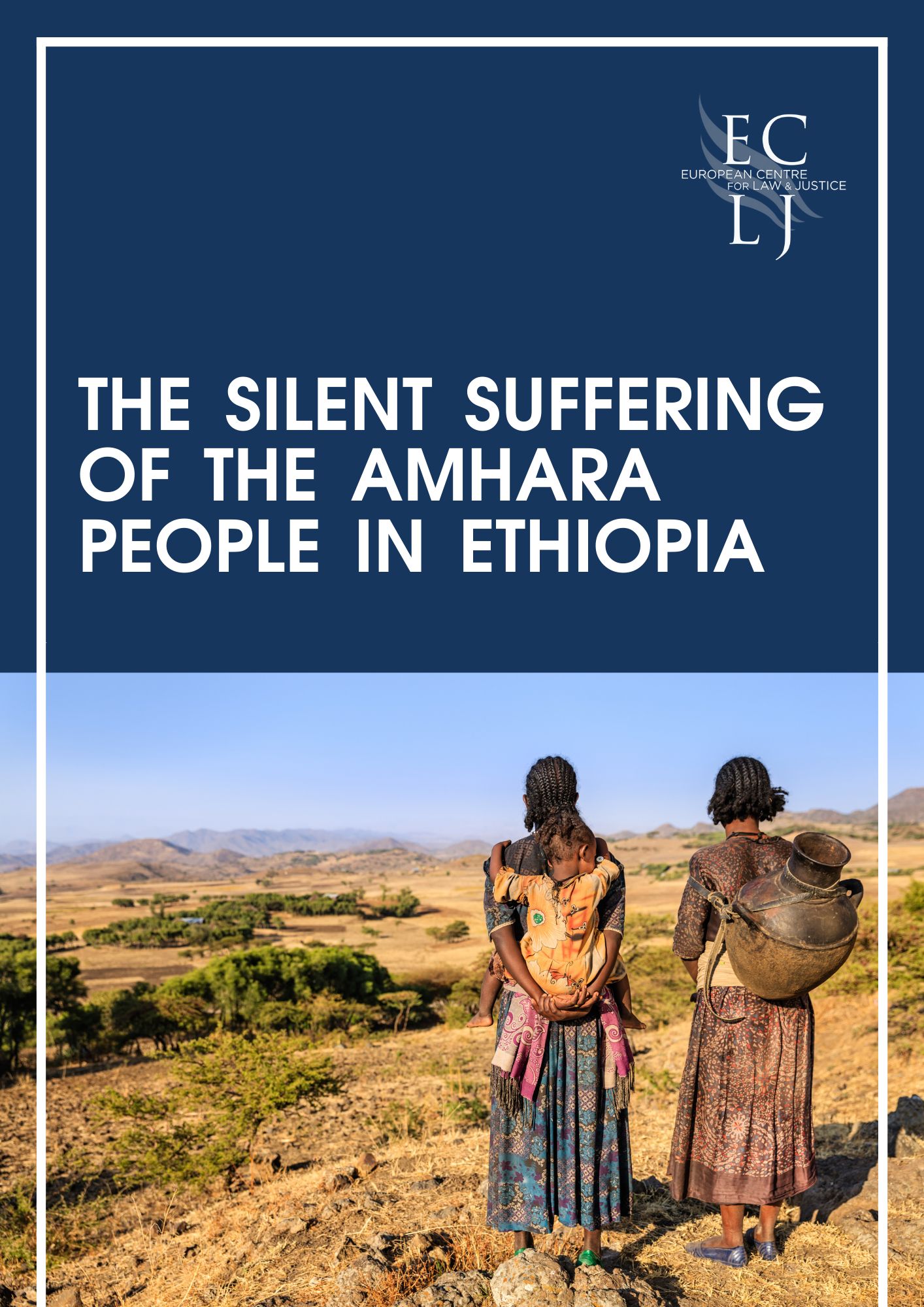
The findings of this report reveal a troubling pattern of extensive human rights abuses against the Amhara people in Ethiopia, marked by recurrent incidents of massacres, extrajudicial killings, drone strikes, forced displacements, and mass arrests. These acts are predominantly driven by ethnic and religious discrimination, leading to substantial casualties, and exacerbating conflicts within the country. The Ethiopian government’s response to these violations has been critically insufficient, with many instances suggesting possible negligence or even direct state involvement in the human rights abuses. This ongoing crisis has inflicted severe humanitarian consequences on the Amhara population.
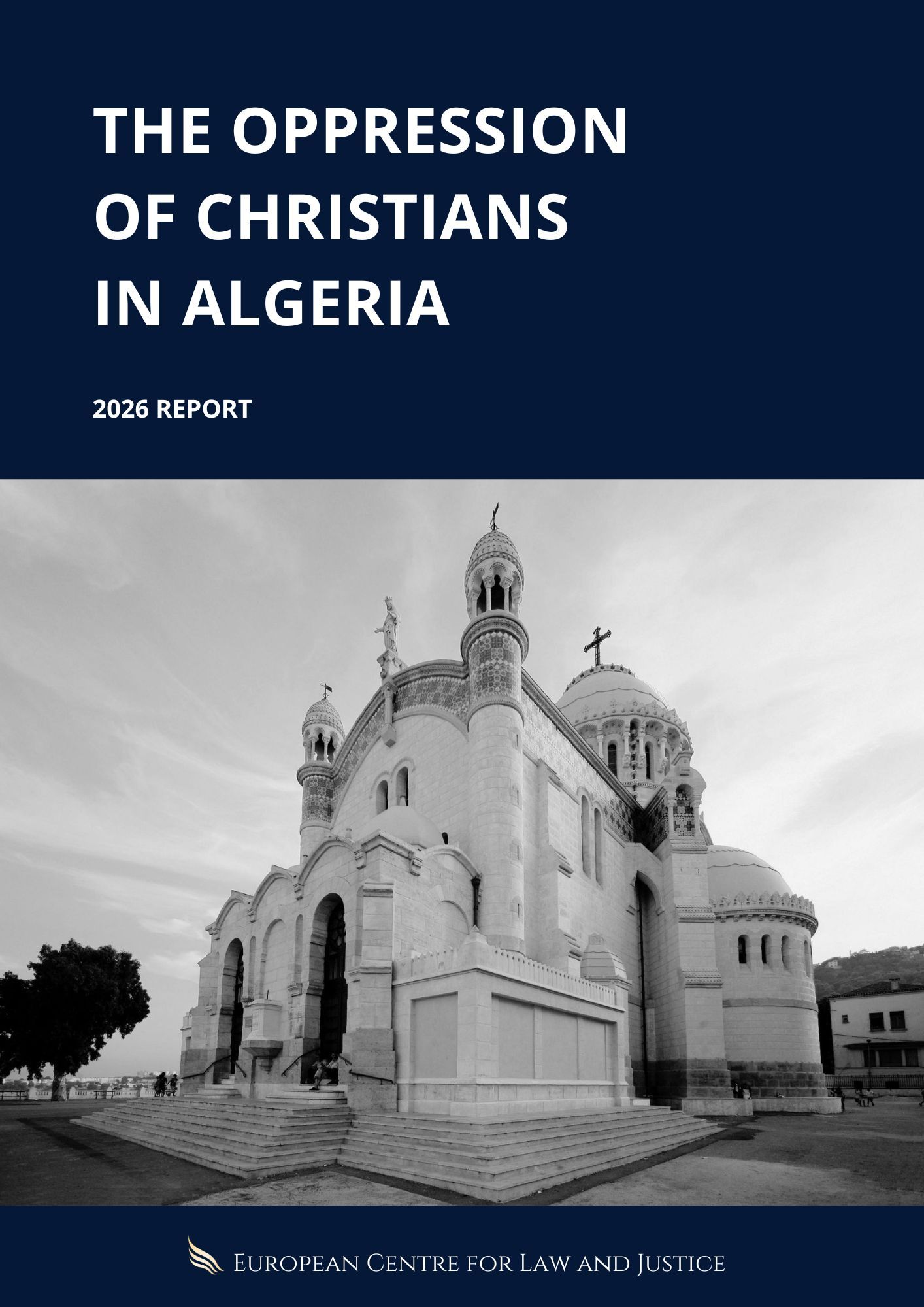
In Algeria, Christians find themselves in a legal grey area deliberately maintained by the government. Indeed, the latter adopts a dual discourse: it guarantees freedom of worship in its Constitution while failing to enshrine freedom of conscience, and at the same time reaffirms the primacy of Islam. Christians are thus placed in an ambiguous position: free to practise their faith on paper, they are in practice dependent on opaque administrative decisions that significantly restrict the exercise of worship and religious expression. The situation facing evangelical Protestants is of particular concern: since January 2025, the administrative closure of nearly all of their churches has been effectively enforced. The curtailment of religious freedom also affects the Christian community in Kabylia specifically. This situation forms part of a broader context of restrictions on civil liberties in Algeria. The oppression of Christians in Algeria cannot be understood as a series of isolated incidents, but rather as the result of a restrictive legal and administrative system incompatible with international standards on freedom of religion, conscience, and expression.
In 2024, a total of 2,211 hate incidents targeting Christians because of their faith were recorded in Europe, including 274 physical assaults (OIDAC). These figures—steadily rising in recent years—reflect a worrying escalation of anti-Christian intolerance. Assaults, church desecrations, bans on prayer, and dismissals for religious reasons are becoming increasingly frequent, often without eliciting any institutional response. This trend contributes to the marginalization of Christians in the public sphere and to the gradual criminalization of convictions inspired by Christianity. Shedding light on this phenomenon—whether described as Christianophobia, anti-Christian sentiment, or anti-Christian hatred and hate crimes—is essential to enabling policymakers and the wider public to better protect religious freedom in Europe.
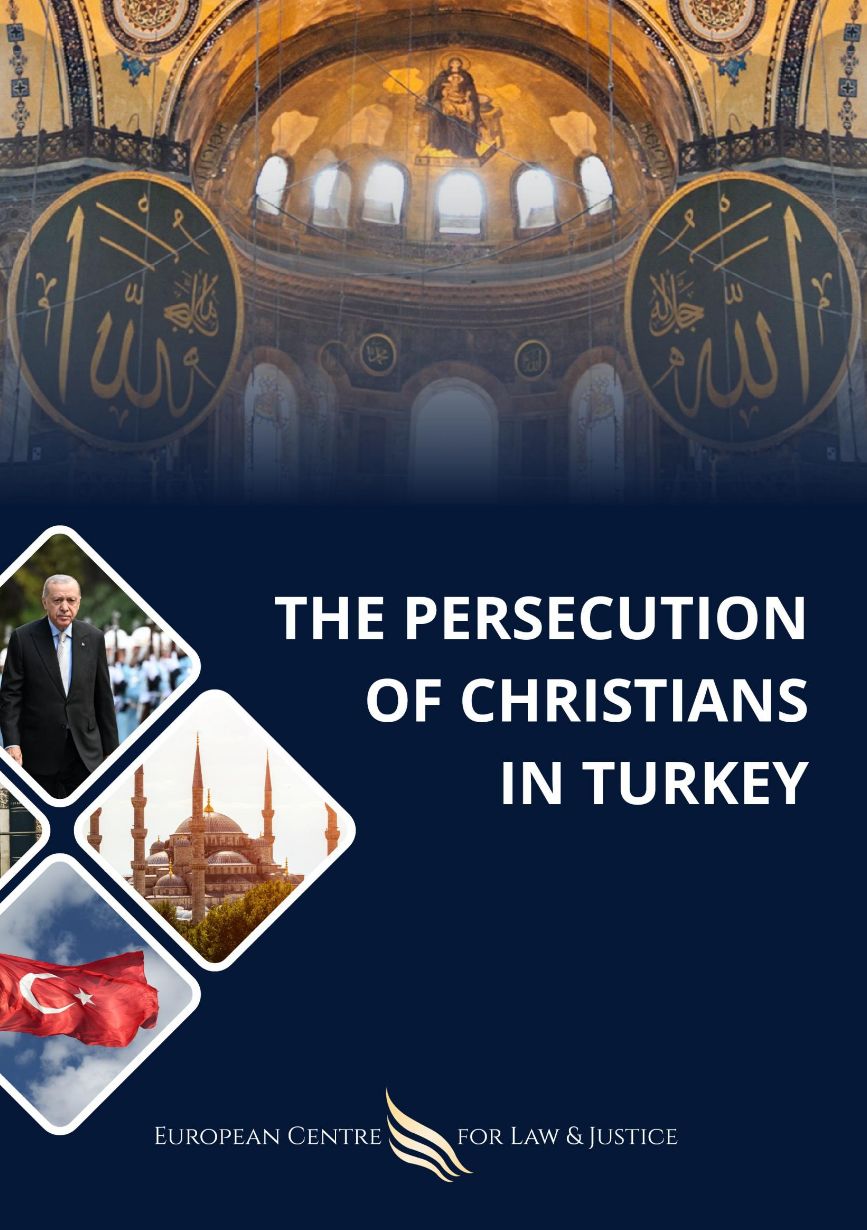
Turkey, once the cradle of Christianity and home to Apostolic Churches, has witnessed a century-long eradication of its Christian population: from around 20% in 1915 to less than 0.3% today. This decline stems from genocides, pogroms, and systematic state policies aimed at creating an ethnically and religiously homogeneous Turkish Sunni Muslim nation. This Report explores the legal, institutional, and social hostility that 257,000 remaining Christians continue to face.
This study shows the existence and mechanisms of an offensive in favor of the liberalization of prostitution in Europe. This is being carried out under fallacious arguments that are intrinsically contrary to international law. Far from improving the situation of prostitutes, the figures indicate that the legalization of prostitution has many adverse effects and that, on the contrary, abolitionist policies should be implemented in this area.